
Nero’s Political Decline
Quo VadisThis thread follows Nero’s shift from imperial celebrity to exposed tyrant and abandoned fugitive.
increasing Bearing strength in each event
 decreasing
Bearing strength in each eventdecreasingThe Court of Applause
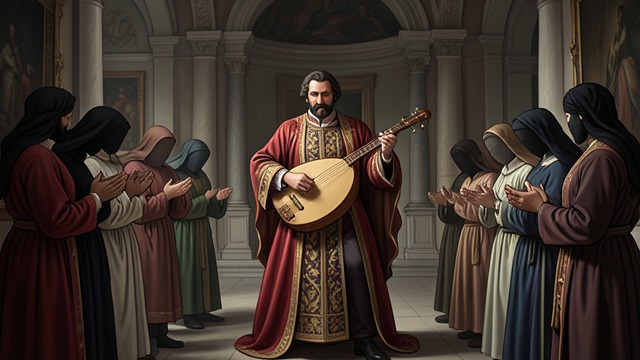
The Court of Applause
Performance as government
Nero demands admiration for his music and poetry, while courtiers compete to praise him.
Fear behind flattery
His companions know that displeasure can be fatal, making praise a survival strategy rather than honest judgment.
A Dangerous City
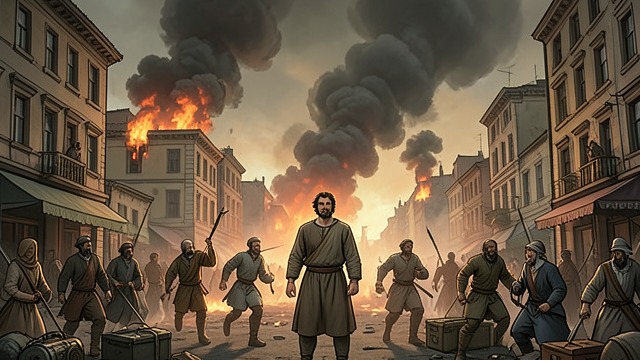
A Dangerous City
Disaster magnifies suspicion
Rome burns as Nero’s earlier wish to see a real conflagration returns to public memory. Survivors suspect deliberate arson.
Imperial image at risk
Nero’s concern centers on the spectacle and his own reputation, not the suffering of displaced Romans.
The Blame Campaign
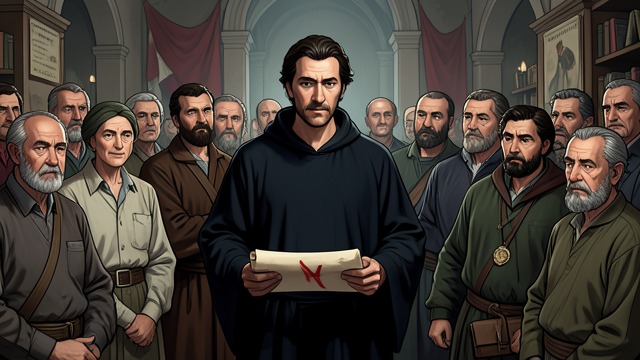
The Blame Campaign
A chosen target
Tigellinus urges Nero to identify Christians as enemies responsible for the disaster. The emperor accepts their usefulness as scapegoats.
Repression fails to persuade
The spectacle of punishment produces unease as well as public excitement, weakening the credibility of the official story.
The Arena’s Reversal
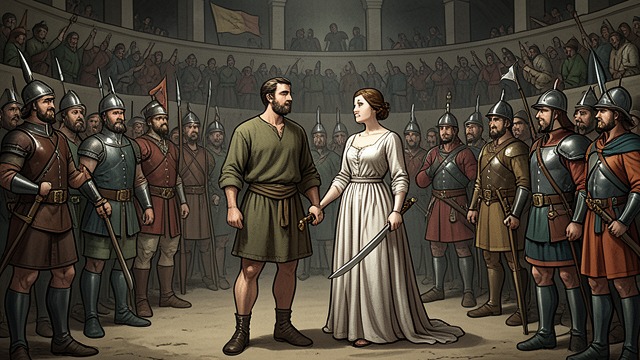
The Arena’s Reversal
Imperial control challenged
Nero wants Lygia’s death, but Ursus’s rescue and Vinicius’s plea move the spectators to demand mercy.
A reluctant concession
The emperor yields when even soldiers and prominent courtiers signal against him, revealing dependence on public approval.
Flight and Suicide
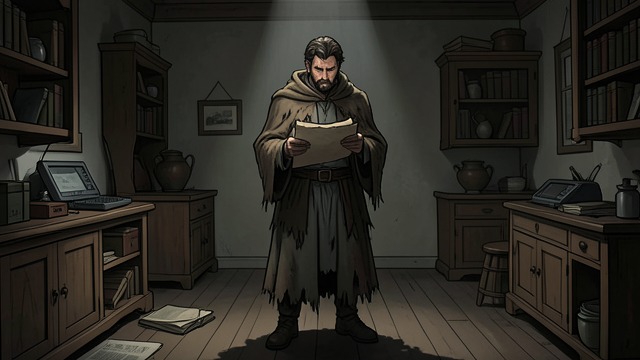
Flight and Suicide
Authority dissolves
Rebellion, desertion, and political isolation strip Nero of the power he assumed would last forever.
The final performance
He delays, quotes poetry, and calls himself an artist before taking his own life, unable to separate reality from theatre.
At Nero’s palace feasts early in the story
During the Great Fire of Rome
In the first days after the fire
At the spectacle where Ursus saves Lygia
After the revolt spreads to Spain and Rome
